



Step 1: Raw Milk
Raw milk is the starting point in cheese making and undergoes rigorous testing to ensure quality, safety, and meet specific requirements based on the cheese type. The milk can come from cows, sheep, or goats, with each contributing unique qualities that influence the flavor, texture, and overall characteristics of the final product.
Top Categories

Step 2: Standardization
During standardization, fat levels are adjusted by centrifugation, which separates the cream from the milk. Whole milk is used for richer cheeses like cheddar and Swiss, while low-fat options like mozzarella and ricotta use skim milk. This step ensures that the milk composition matches the specific needs of each type of cheese, setting the foundation for flavor and texture.

Step 3: Pasteurization
Pasteurization involves heating the milk to eliminate harmful bacteria, ensuring it is safe for consumption. This step typically requires heating the milk to 145°F (63°C) for 30 minutes or 161°F (72°C) for at least 15 seconds. By carefully controlling the temperature, this process not only helps to kill harmful pathogens but also plays a key role in maintaining quality control, contributing to the consistent safety and reliability of cheese products.

Step 4: Acidification of Milk
Acidifying the milk starts the process of curd formation. There are two common ways of acidification, starter cultures and direct acidification. Starter cultures contain beneficial bacteria that convert lactose into lactic acid. Different cultures are used depending on the type of cheese being made. Direct acidification is done by adding vinegar or lactic acid directly to the milk and may be employed to achieve the desired acidity.

Step 5: Coagulation and Curdling
Coagulation transforms the liquid milk into solid curds, which are essential for forming cheese. This step can be achieved in various ways, including the use of an acid, enzymes like rennet, heat, or a combination of methods. Each method impacts the texture and firmness of the curd, which will ultimately affect the cheese’s characteristics.

Step 6: Cutting The Curds
Cutting the curds is the initial step in removing moisture from the cheese. This process increases the surface area of the curds, allowing more whey to drain out, which in turn affects the texture and consistency of the final product. The size of the curd pieces can vary, with smaller cuts typically resulting in a firmer texture, while larger cuts can lead to a softer cheese, depending on the desired outcome.

Step 7: Cooking & Draining
The curds are gently heated, usually between 90°F (32°C) and 120°F (49°C), to encourage additional whey release and help the curds firm up. This heating process aids in expelling more moisture. After cooking, the whey is drained from the curds to further reduce moisture content, contributing to the cheese’s texture, structure, and flavor.

Step 8: Salting
Salt is added to stabilize and dehydrate the cheese, enhancing flavor and regulating bacterial growth. Depending on the cheese, salt can be mixed into the curds, applied as a brine, or dry-rubbed onto the surface. Salting also helps control fermentation, limits spoilage, and ensures the cheese develops its characteristic taste.

Step 9: Forming & Pressing
Once salted, the curds are shaped into molds or “hoops” to achieve the desired size and form, such as large blocks or small rounds. Pressing encourages the curds to bind together, creating a solid structure and expelling any remaining whey. This step determines the cheese's final texture and density.

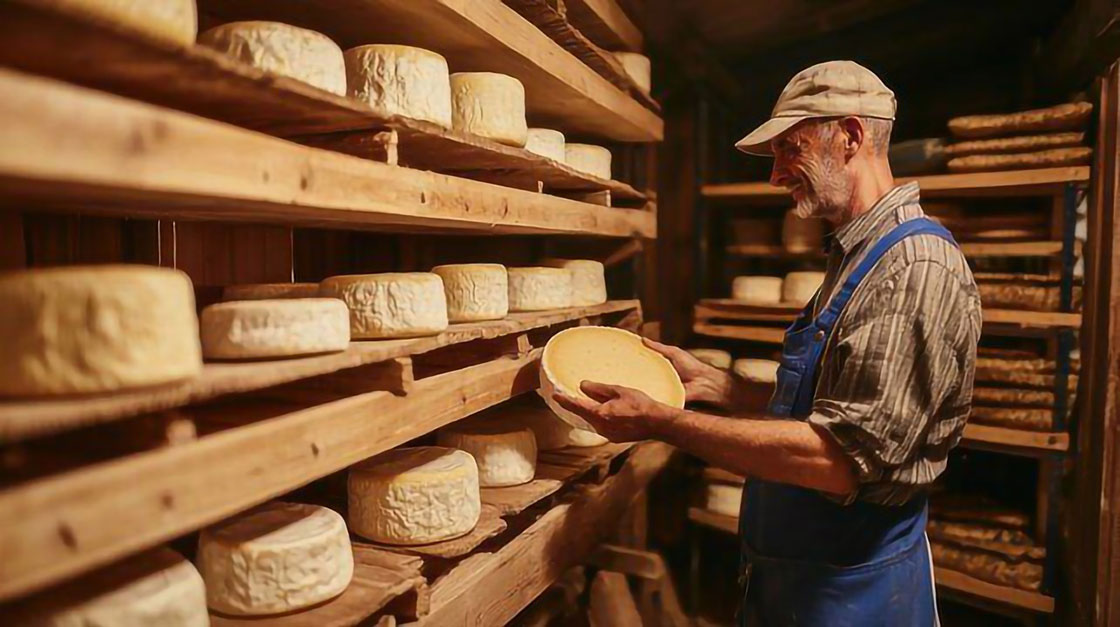
Step 10: Aging
Aging, or affinage, is the final stage, where time, temperature, and humidity are carefully controlled to develop the cheese’s flavor, texture, and color. Depending on the variety, cheese can be aged for as little as a week or for several years, with each day contributing unique characteristics to the finished product.
Related Resources

Cheese Maker Video Review
NIST Traceable Thermometer - crucial equipment with calibration certificate


The Importance of Humidity Control & Monitoring
Monitoring humidity in a laboratory is critical for several reasons